Neuroticism Test Across Lifespan: Managing Emotions at Every Age
Feeling like your emotions are a rollercoaster, no matter your age? You're not alone. Neuroticism—the tendency to experience emotions like anxiety and stress—isn't a static label. It's a dynamic trait that changes as we navigate life's different chapters.
Understanding this evolution is key to personal growth. This guide explores how neurotic traits manifest from the teen years to the golden years, offering actionable insights for every age. To begin your journey, a free neuroticism test can provide a clear picture of your unique emotional landscape.
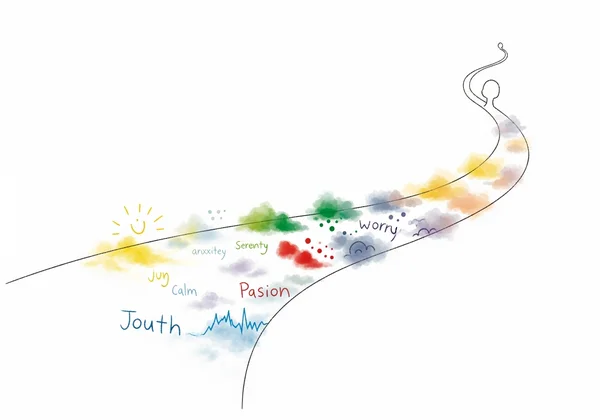
Understanding Neuroticism in Different Life Stages
Personality is a journey, not a destination. While core traits remain stable, how we experience and express them evolves with our life experiences, especially a trait like neuroticism.
What is Neuroticism? A Brief Overview
Neuroticism is one of the Big Five personality traits, a widely accepted model in psychology. It refers to an individual's tendency to experience emotional instability, anxiety, moodiness, irritability, and sadness.
It's important to remember that neuroticism exists on a spectrum. Those higher in neuroticism are often more sensitive and emotionally reactive, while those lower on the scale tend to be more emotionally stable. The trait simply describes a pattern of emotional response.
The Dynamic Nature of Personality Traits: Stability and Change
It was once believed personality was set in stone by early adulthood. Modern research shows that while our core temperament is stable, personality traits evolve throughout our lives.
Major life events—a new career, family, or a significant challenge—shape our perspectives and coping skills. As we age, experience and wisdom influence our emotional reactivity. Understanding that change is possible is an empowering first step in managing neurotic tendencies.
Neuroticism in Adolescence and Young Adulthood
The journey from teenager to young adult is marked by rapid change and intense emotions. This period is often when neurotic traits become more pronounced as individuals navigate new social, academic, and personal challenges.

Navigating Emotional Turbulence: Teens and Early Twenties
Adolescence brings profound brain development and hormonal shifts, making emotional regulation a challenge. For those higher in neuroticism, this period can feel overwhelming. Common manifestations include:
- Social Anxiety: Intense worry about peer judgment and social situations.
- Academic Stress: A tendency to catastrophize about exams and deadlines.
- Heightened Self-Consciousness: A strong focus on perceived flaws.
- Mood Swings: Rapid shifts between sadness, irritability, and anxiety.
Recognizing these patterns helps in providing support for developing healthy coping skills.
Forming Identity: Neuroticism in Early Career and Relationships
As young adults enter careers and serious relationships, neuroticism can amplify worry and self-doubt. In the workplace, it might look like imposter syndrome or a constant fear of making mistakes. Learning to navigate these feelings is key, and our guide on managing workplace anxiety can help.
In relationships, it can lead to insecurity or jealousy. Managing these tendencies early on builds a foundation for a more stable adult life. An emotional stability test can provide the clarity needed to build these skills.
Midlife and Neuroticism: Challenges and Opportunities
Midlife, typically spanning from the late 30s to the 50s, brings a unique set of pressures, from peak career demands to growing family obligations.

Balancing Responsibilities: Career, Family, and Self-Care
Midlife often means being part of the "sandwich generation," caring for both children and aging parents. This pressure can exacerbate neurotic traits, leading to chronic stress and burnout. High neuroticism during this stage can manifest as:
- Work-Related Burnout: Feeling emotionally exhausted and cynical about one's job.
- Health Anxiety: Increased worry about physical symptoms and aging.
- Relationship Strain: Stress spilling over into partnerships, causing irritability.
Finding a balance between responsibilities and self-care becomes crucial for managing well-being.
Shifting Perspectives: Personal Growth in Your 40s and 50s
While challenging, midlife also offers incredible opportunities for growth. With a wealth of life experience, many people have a deeper understanding of themselves. This is a period of re-evaluation, allowing individuals to consciously work on emotional patterns.
By leveraging experience, they can develop effective coping strategies and shift from reactive worry to proactive problem-solving. It's an ideal time to understand your patterns and make intentional changes for the future.
Neuroticism in Older Age: Wisdom and Well-being
As we enter our later years, our relationship with emotions often undergoes another transformation, shifting toward health, legacy, and finding peace.
Reflecting and Adapting: Emotional Stability in Later Years
Contrary to stereotypes, emotional well-being often increases with age. Despite unique stressors like health issues and loss, many older adults report feeling more content.
However, neuroticism can still surface as anxiety about health, grief, or loneliness. The key is adaptation: accepting age-related changes while focusing on what brings joy and meaning.
Leveraging Experience for Greater Peace
A great advantage of aging is accumulated wisdom. Older adults can draw upon a lifetime of experience to face emotional challenges, letting go of minor worries.
This "positivity effect" helps regulate mood by focusing on positive information and memories. Leveraging past experiences can lead to greater peace, proving it's never too late to enhance your emotional well-being.
Age-Specific Neuroticism Management Strategies
Managing neurotic tendencies isn't about eliminating emotions but about responding to them in healthier ways. The most effective strategies are often tailored to your life stage.
Tailoring Coping Mechanisms to Your Life Stage
- For Adolescents & Young Adults: Focus on foundational skills like mindfulness meditation, journaling to understand emotional triggers, and building a strong social network.
- For Midlife Adults: Prioritize boundary-setting and stress management. Learn to say "no," schedule time for hobbies, and practice self-compassion.
- For Older Adults: Emphasize connection and meaning. Stay socially engaged, find purpose in hobbies or volunteering, and practice gratitude.
Seeking Support: When and How to Get Help
Seeking support is a sign of strength at any age. If overwhelming anxiety, worry, or sadness interferes with daily life, consider speaking with a therapist. They provide professional tools tailored to your needs.
Remember, online tests are for self-assessment, not as a substitute for professional diagnosis, but they are a valuable starting point for self-awareness.
Your Lifelong Journey of Emotional Understanding
Neuroticism doesn't define you—it's simply one facet of your personality that grows and changes as you do. Understanding its patterns gives you power over how it influences your life. From the intense emotions of youth to the reflective wisdom of older age, every life stage offers new opportunities to cultivate emotional balance. Recognizing your patterns is the first step toward navigating your unique journey with more confidence and peace.

Curious how your neuroticism patterns show up right now? Discover your unique emotional landscape with our free Neuroticism Test—the perfect starting point for your growth journey.
Frequently Asked Questions About Neuroticism Across the Lifespan
How do I know if I have neuroticism at my age?
Neuroticism is a personality trait, not a condition. You can identify if you lean higher on the spectrum by noticing patterns of frequent worry, anxiety, and sensitivity to stress. The most reliable way to get a clear picture is to take our assessment, which measures these tendencies based on established psychological models.
Does neuroticism decrease or increase with age?
Research generally shows a trend for neuroticism to decrease modestly as people move from young adulthood into middle and older age. This is often attributed to increased life experience, better emotional regulation skills, and a shift in life priorities. However, individual experiences can vary.
Can I reduce neuroticism traits as I get older?
Yes, absolutely. While your core temperament may be stable, you can learn to manage the behaviors and thought patterns associated with high neuroticism. Practices like cognitive-behavioral therapy (CBT), mindfulness, and developing healthier coping strategies can significantly reduce its negative impact at any age.
Is neuroticism just anxiety that changes with life stages?
Neuroticism and anxiety are closely related but not the same. Neuroticism is a broad personality trait describing a tendency to experience various negative emotions, including anxiety, sadness, and anger. Anxiety is a specific emotional state or a clinical disorder. A person with high neuroticism is more vulnerable to experiencing anxiety, but the two are distinct concepts.