Neuroticism & Your Brain: The Neuroscience Behind Emotional Reactions
Have you ever wondered why you experience intense anxiety or mood swings that seem beyond your control? Do you feel your emotional reactions are sometimes stronger than the situation calls for? Many people feel this way, and the key to understanding these patterns often lies within our own brains. The field of neuroscience offers fascinating insights into why we feel and react the way we do.
This article will explore the neuroscience of neuroticism. We will look at how specific brain regions and chemical messengers, called neurotransmitters, influence our emotional responses. Understanding this science provides a solid foundation for making sense of your own emotional landscape. It can help you see your feelings not as a personal failing, but as a result of your brain's unique wiring.
By learning about the biological basis of your emotional patterns, you can take the first step toward greater self-awareness and emotional regulation. This knowledge empowers you to interpret your personality traits more clearly. Ready to connect these scientific concepts to your own experience? You can begin your journey with our free neuroticism test to gain valuable personal insights.
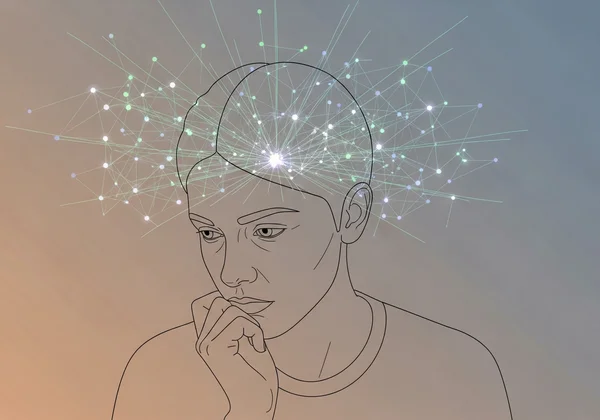
The Brain Regions Behind Neuroticism
Our brain is a complex organ, and several key areas work together to manage our emotions. For individuals with higher levels of neuroticism, certain regions show distinct patterns of activity. Understanding these areas helps explain why some people are more prone to worry, anxiety, and negative feelings.
The Amygdala and Emotional Reactivity
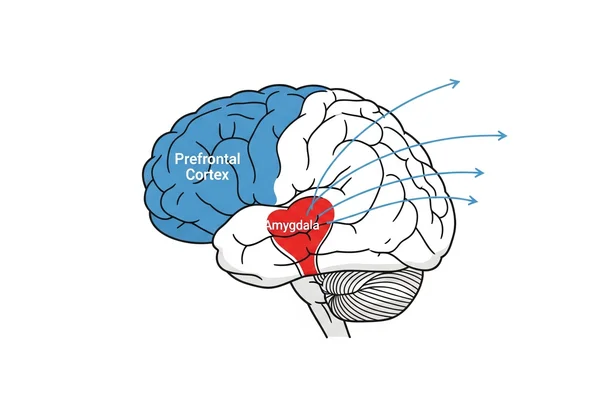
Deep within the brain lies the amygdala, a small, almond-shaped cluster of neurons. Think of it as your brain's emotional alarm system. It is responsible for detecting threats in your environment and triggering a rapid emotional response, such as fear or anxiety.
Research shows that in individuals with high neuroticism, the amygdala tends to be more sensitive and reactive. This means it may sound the alarm more frequently and intensely, even in response to situations that others might find only mildly stressful. This heightened amygdala neuroticism connection can lead to feelings of being constantly on edge, experiencing anxiety more often, and having stronger emotional reactions to everyday challenges. When your brain's threat detector is on high alert, the world can feel like a more intimidating place.
Prefrontal Cortex Regulation and Its Impact on Neuroticism
While the amygdala sounds the alarm, the prefrontal cortex (PFC) acts as the brain's control center. Located at the front of your brain, the PFC is responsible for rational thinking, decision-making, and emotional regulation. It helps you assess a situation logically and calm down the amygdala's initial emotional outburst.
In people with higher neuroticism, the connection between the PFC and the amygdala can be less efficient. The PFC may struggle to override the amygdala's strong signals, making it harder to calm down from a state of anxiety or worry. This doesn't mean the PFC is "broken"; it simply means the regulatory process is less effective at dampening intense emotions. This can result in a cycle of worry, where negative feelings persist long after a stressful event has passed.
Neurotransmitters and Neuroticism: The Chemical Connection
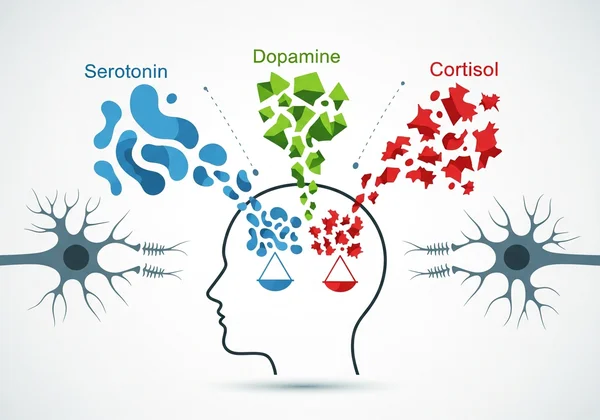
Beyond brain structures, the chemical messengers in your brain play a crucial role in your mood and emotional stability. These chemicals, known as neurotransmitters, carry signals between brain cells. An imbalance or difference in the activity of these neurotransmitters is closely linked to neuroticism.
Serotonin, Dopamine, and Emotional Balance
Two of the most well-known neurotransmitters are serotonin and dopamine. Serotonin is often called the "feel-good" chemical because it helps regulate mood, sleep, and feelings of well-being. Lower levels or reduced effectiveness of serotonin are strongly associated with higher neuroticism, leading to increased anxiety, irritability, and a tendency toward depressive moods.
Dopamine is linked to the brain's reward and motivation system. While its role is complex, fluctuations in the dopamine system can affect how a person perceives rewards and handles negative experiences. For those with high neuroticism, this can sometimes manifest as a reduced sense of pleasure or a heightened sensitivity to potential negative outcomes. Understanding these chemical influences is a key step toward managing your emotional well-being. To see where you stand, you can start your test for a personalized assessment.
How Cortisol Influences Anxiety in High Neuroticism
Cortisol is widely known as the "stress hormone." When you face a threat, your body releases cortisol to prepare you for a "fight or flight" response. This is a normal and healthy survival mechanism. However, for individuals with high neuroticism, the cortisol response system can be overactive.
This means their bodies may release more cortisol in response to stressors and take longer to return to a baseline level. Prolonged exposure to high cortisol levels can contribute to chronic anxiety, feelings of being overwhelmed, and even physical symptoms like fatigue. This constant state of physiological stress reinforces the cycle of worry and vigilance that is characteristic of high neuroticism, making it feel like you are always braced for impact.
Your Brain on Neuroticism: Patterns and Activity
Modern neuroimaging techniques allow scientists to look inside the living brain and observe its activity in real time. These studies have revealed specific patterns of brain function that are common among people with higher neuroticism scores, particularly in how they process information and think about themselves.
fMRI Studies on Neural Processing in Neurotic Individuals
Functional Magnetic Resonance Imaging (fMRI) is a technology that measures brain activity by detecting changes in blood flow. fMRI studies have provided powerful evidence for the neural basis of neuroticism. When shown negative or emotionally charged images, individuals with high neuroticism often display significantly greater activation in the amygdala and other emotion-related brain regions compared to those with lower scores.
Furthermore, these studies confirm that the prefrontal cortex in highly neurotic individuals may work harder to regulate these intense emotional signals, yet with less success. This highlights the internal struggle between powerful emotional impulses and the effort to control them. Gaining insight into your own patterns is the first step, and our neuroticism test online can help you begin.
The Default Mode Network and Rumination in Neuroticism
Have you ever found yourself stuck in a loop of negative thoughts, replaying a past mistake or worrying about the future? This pattern of thinking is called rumination, and it is a hallmark of neuroticism. Neuroscience links rumination to a specific brain system called the Default Mode Network (DMN).
The DMN is a network of brain regions that is most active when our minds are wandering or not focused on a specific task. It's involved in self-reflection and thinking about others. In people with high neuroticism, the DMN tends to be overactive and more tightly connected to the amygdala. This connection can steer daydreams and self-reflection toward negative, self-critical, and anxious thoughts, creating a mental echo chamber of worry.
Translating Neuroscience into Personal Growth
When you explore the neuroscience of neuroticism, you're not just discovering interesting facts—you're gaining practical tools that can genuinely transform how you understand yourself. Recognizing that your anxious tendencies have biological roots can release you from self-blame and help you approach your emotions with greater kindness and curiosity. Your brain isn't "bad"—it's simply wired to be more sensitive to threats.
This knowledge is the first step toward managing your emotional reactions effectively. By recognizing how your brain processes emotions, you can begin to develop targeted strategies for emotional regulation, such as mindfulness, cognitive restructuring, and stress-reduction techniques. You can learn to work with your brain's natural tendencies rather than fighting against them.
Are you ready to see how your own emotional patterns relate to these neurological findings? Taking the first step toward understanding your emotional patterns is a powerful act of self-compassion that can open doors to lasting growth. Take our free neuroticism test today to gain personalized insights into your emotional reactivity and unlock actionable advice for your personal and professional life.
Frequently Asked Questions About Neuroticism and the Brain
Can neuroticism be detected through brain imaging?
While fMRI and other imaging techniques can show patterns of brain activity associated with neuroticism (like a hyper-reactive amygdala), they cannot be used to "diagnose" it. Neuroticism is a personality trait, not a medical condition. Currently, it is measured most reliably through scientifically validated questionnaires, which assess long-term patterns of thoughts, feelings, and behaviors.
Are there specific brain regions that cause neuroticism?
No single brain region "causes" neuroticism. Rather, it arises from the complex interplay between multiple brain regions, including the amygdala, prefrontal cortex, and anterior cingulate cortex. It's the communication and regulation between these areas, influenced by both genetics and life experiences, that shapes this personality trait.
How does neuroticism affect neurotransmitter levels in the brain?
Neuroticism is strongly linked to the systems that regulate neurotransmitters like serotonin, dopamine, and norepinephrine. For example, individuals with high neuroticism may have lower serotonin activity, which can contribute to negative moods and anxiety. It's less about having "too little" of a chemical and more about how effectively your brain's systems use and respond to them.
Can understanding the neuroscience of neuroticism help me manage it?
Absolutely. Understanding that your feelings have a biological basis can reduce self-criticism and increase self-compassion. It helps you reframe your experience from "What's wrong with me?" to "How is my brain working?" This perspective makes it easier to adopt practical strategies, like mindfulness to calm the amygdala or cognitive exercises to strengthen the prefrontal cortex's control. To begin this journey, you can get personalized insights with our online tool.