Neuroticism Test Toolkit: 15 Practices for Calm & Emotional Stability
Feeling overwhelmed by daily anxiety or intense emotional reactions? It's a common experience for many, especially those who score higher on the neuroticism scale. But what if you had a toolkit specifically designed to help? Our "High Neuroticism Toolkit" is made for you. How do I know if I have neuroticism? The first step is often self-awareness, which can begin with a simple Neuroticism Test. This guide offers 15 practical, science-backed strategies to help you transform emotional reactivity into resilience. Learn easy-to-implement techniques, rooted in psychological research, to navigate life with greater peace and achieve daily calm and emotional stability.
Understanding High Neuroticism & Emotional Reactivity
Before we explore these tools, let's take a moment to understand the nuances of high neuroticism. High neuroticism isn't a life sentence of stress; it's a personality trait characterized by a tendency to experience negative emotions like anxiety, worry, anger, and sadness. Think of it as having a more sensitive emotional alarm system. The key isn't to dismantle the alarm but to learn how to manage its sensitivity and respond to it effectively. This journey begins with knowledge and self-compassion.
Debunking Myths: Neuroticism vs. Flaw
Let's be clear: having high neuroticism is not a character flaw. It's a dimensional trait, meaning everyone falls somewhere on the spectrum. It's often misunderstood and unfairly stigmatized. In reality, this trait can come with unique strengths, such as heightened self-awareness, deep empathy, and a strong drive to prepare for potential challenges. Viewing it not as a defect but as a part of your psychological makeup is the first step toward harnessing its potential and mitigating its downsides.
The Power of Self-Awareness in Emotional Control
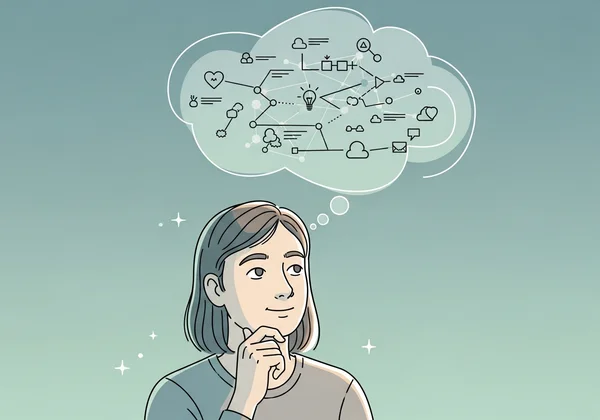
Self-awareness is the cornerstone of emotional regulation; it's difficult to shift patterns we don't recognize. Understanding your specific triggers, thought patterns, and emotional responses is critical. What situations make you feel most anxious? What kind of thoughts spiral into worry? Answering these questions provides a roadmap for change. Tools like an online personality test can provide a structured starting point, offering a baseline measurement of your tendencies and helping you see your patterns more clearly.
Science-Backed Coping Skills for Neuroticism Management
With a clearer understanding of your emotional landscape, you can then apply targeted strategies to navigate it more effectively. These skills are not quick fixes but practices that build emotional muscle over time. They are divided into three core areas: grounding your mind in the present, reshaping your thought patterns, and managing emotional waves as they arise.
Mindfulness & Presence: Taming Anxious Thoughts
Mindfulness is the practice of paying attention to the present moment without judgment. For a mind prone to worrying about the future or ruminating on the past, this is a powerful antidote.
-
Mindful Breathing: When you feel overwhelmed, pause and focus entirely on your breath. Inhale slowly for four counts, hold for four, and exhale for six. This activates the parasympathetic nervous system, creating a sense of calm.
-
The 5-4-3-2-1 Grounding Technique: Pull your mind out of an anxiety spiral by engaging your senses. Name five things you can see, four things you can feel, three things you can hear, two things you can smell, and one thing you can taste.
-
Body Scan Meditation: Lie down comfortably and bring your attention to each part of your body, from your toes to your head. Notice any sensations without judging them. This practice reconnects your mind and body, reducing feelings of dissociation.
-
Mindful Observation: Pick a random object around you and observe it in detail for one minute. Notice its color, texture, shape, and weight. This simple exercise trains your focus and pulls you into the present moment.
CBT Techniques: Rewiring Negative Thought Patterns
Cognitive Behavioral Therapy (CBT) is built on the principle that our thoughts, feelings, and behaviors are interconnected. By changing negative thought patterns, we can change how we feel and act.
- The Thought Record: When you experience a strong negative emotion, write down the situation, your automatic thoughts, and the resulting feelings. Then, challenge the automatic thoughts by looking for evidence that supports or refutes them.
- Cognitive Reframing: Practice identifying cognitive distortions like catastrophizing (assuming the worst-case scenario) or black-and-white thinking. Consciously work to reframe the thought into a more balanced and realistic one. For instance, instead of "I failed the presentation," try "Some parts went well, and I learned what to improve for next time."
- Behavioral Experiments: Treat your anxious thoughts like hypotheses to be tested. If you fear social rejection, you might test it by striking up a small conversation with a cashier. Gathering real-world evidence often proves that our fears are exaggerated.
- Worry Time: Schedule a specific, limited period each day (e.g., 15 minutes) to dedicate to worrying. If a worrisome thought appears outside this window, jot it down and defer it to your scheduled "worry time." This helps contain worry instead of letting it consume your day.
Emotional Regulation: Navigating Intense Feelings
Emotional regulation involves learning to manage and respond to an emotional experience in a healthy way, rather than being controlled by it.
- Name It to Tame It: Simply labeling your emotion ("I am feeling anxious" or "This is frustration") can create psychological distance, giving you a sense of control over it.
- The STOPP Method: When an intense emotion hits, practice STOPP: Stop what you're doing. Take a breath. Observe your thoughts and feelings. Pull back and gain perspective. Proceed with an effective action.
- Opposite Action: This technique from Dialectical Behavior Therapy (DBT) involves acting opposite to your emotional urge when that urge is unhelpful. If anxiety makes you want to avoid a social event, acting opposite would mean going (even for a little while).
- Build Positive Experiences: Actively schedule pleasant activities into your week. Building a reserve of positive emotions creates a buffer that makes it easier to cope with negative feelings when they arise.
Building Long-Term Resilience & Stability
While in-the-moment coping skills are essential, building long-term emotional stability requires a holistic approach that incorporates lifestyle changes and healthy relational habits. This is about creating a life that naturally supports your emotional well-being. The first step is to discover your results to understand your personal baseline.
Lifestyle Habits for Reduced Neuroticism
Your physical health is inextricably linked to your mental health. These foundational habits can significantly lower your baseline level of stress and anxiety.
- Prioritize Sleep: A lack of quality sleep can dramatically increase emotional reactivity. Aim for 7-9 hours of consistent sleep per night by establishing a calming bedtime routine.
- Mindful Movement: Regular physical activity is one of the most effective ways to reduce anxiety. Find a form of exercise you enjoy, whether it's a brisk walk, yoga, or dancing, and make it a consistent part of your routine.
Cultivating Supportive Environments & Strong Boundaries
The people and environments around you can either drain or replenish your emotional energy. Being intentional about your social world is a powerful act of self-care.
- Set Healthy Boundaries: Learn to say "no" to requests that overextend your emotional or physical capacity. Clearly communicating your limits is not selfish; it's essential for protecting your well-being and preventing resentment. A supportive social circle understands and respects these boundaries.

Embrace Your Journey Towards Emotional Calm
Managing the tendencies of high neuroticism is not about becoming a different person; it's about becoming a more skillful and self-aware version of yourself. This toolkit offers 15 powerful practices, but remember, your unwavering commitment to understanding and supporting yourself is your most important tool. The journey toward emotional calm is a marathon, not a sprint, and every small step you take builds resilience.
Ready to take that first critical step? Start by understanding your unique emotional profile. Take our free, science-based Neuroticism Test today to receive your instant score and unlock the option for a personalized AI-powered report with actionable insights.
Frequently Asked Questions About Neuroticism Management
Can neuroticism be reduced or fixed?
Neuroticism is a stable personality trait, so it can't be "fixed" in the way you'd fix a broken object. However, research shows that its expression can be significantly reduced through consistent practice of techniques like mindfulness and CBT, therapy, and lifestyle changes. The goal is management and resilience, not elimination.
How can I calm down high neuroticism effectively?
In the short term, grounding techniques like the 5-4-3-2-1 method and deep breathing are highly effective for calming an acute stress response. For long-term effectiveness, building a consistent routine that includes practices from this toolkit, especially thought reframing and emotional regulation skills, is key.
What does a high neuroticism score truly signify?
A high neuroticism score signifies a heightened sensitivity to negative emotions and stressors. It means you may be more prone to experiencing anxiety, worry, and mood swings compared to someone with a lower score. It does not define your destiny; it simply highlights an area where developing coping skills can be incredibly beneficial. To see where you land, you can take the free test.
Is neuroticism the same as anxiety?
No, but they are closely related. Neuroticism is a broad personality trait that describes a tendency to experience negative emotions. Anxiety is one of those specific negative emotions. A person high in neuroticism is more likely to experience anxiety disorders, but the trait itself is not a disorder.