Neuroticism Myths Debunked: What Science Reveals
If you've ever wondered whether your tendency toward worry and mood swings means you're "neurotic," you're not alone. The term has been misunderstood for decades, often painted as a purely negative label. But what does this personality trait really mean, and how does it affect our lives? The scientific story is far more nuanced and interesting than popular psychology suggests.
This article will debunk five of the most persistent myths about emotional sensitivity. We'll explore what the research actually shows about this complex personality characteristic, separating fact from fiction. Understanding your own emotional patterns is the first step toward personal growth, and getting an accurate picture is crucial. To discover your unique profile, you can take a free neuroticism test to gain personalized insights.
Myth 1: Neuroticism Equals Mental Illness
One of the biggest misunderstandings is that having a high score for this trait is the same as having a mental illness like anxiety or depression. This confusion can be discouraging, making people hesitant to explore their own personality. The truth is, these are two very different concepts.
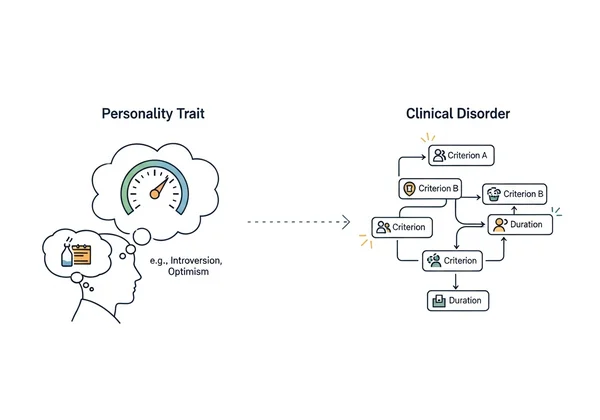
Understanding the Difference Between Personality Traits and Clinical Disorders
Neuroticism is a fundamental personality trait within the well-established Big Five model of personality. It describes a tendency to experience negative emotions such as anxiety, anger, self-consciousness, and sadness. Think of it as a dial for emotional sensitivity—some people's dials are naturally set higher than others.
A clinical disorder, on the other hand, is a diagnosable condition with specific criteria defined in manuals like the DSM-5. These conditions cause significant distress or impairment in daily functioning. While a high degree of emotional sensitivity can be a risk factor for developing certain disorders, it is not a disorder itself. Many people with this trait live full, successful lives without ever meeting the criteria for a clinical diagnosis.
How Neuroticism Test Results Compare to Clinical Assessments
A personality test provides a valuable snapshot of your emotional tendencies. It helps you understand where you fall on the spectrum of emotional stability, offering insights into your default reactions to stress. This kind of self-assessment is for educational and personal growth purposes.
Clinical assessments conducted by psychologists or psychiatrists are much more comprehensive. They are designed to diagnose specific conditions and rule out other potential causes for symptoms. Our online neuroticism test is a tool for self-discovery, not a substitute for professional medical advice. It gives you a starting point for understanding your emotional landscape.
Myth 2: People with High Neuroticism Can't Change or Improve
Another common myth is that your personality is set in stone. If you score high on a personality test, you might feel resigned to a lifetime of worry and stress. Fortunately, science tells us a much more hopeful story. While personality traits are relatively stable, they are not fixed.
The Brain's Neuroplasticity and Emotional Regulation Skills
Our brains are remarkably adaptable. This quality, known as neuroplasticity, means that our thoughts and behaviors can physically change the brain's structure and function over time. By learning and practicing new emotional regulation skills, you can effectively manage the tendencies associated with this characteristic.

Techniques like mindfulness, cognitive-behavioral therapy (CBT), and stress management exercises can help you build new neural pathways. These skills empower you to respond to situations more calmly and thoughtfully, rather than reacting automatically with worry or fear. Change is not only possible but is a natural part of human development.
Real User Stories: Managing Neuroticism Over Time
Countless individuals have learned to harness their sensitive tendencies for good. Consider a student who used their awareness of this trait to develop a meticulous study plan, channeling their anxiety about exams into productive preparation. Or a professional who learned mindfulness techniques to stay calm during high-stakes presentations, turning their sensitivity into a tool for better connecting with their audience.
These stories show that understanding your personality is not about receiving a final verdict. It's about gaining the awareness needed to make conscious choices. Learning about your emotional patterns through a personality assessment is the first step toward actively shaping your responses and improving your well-being.
Myth 3: Low Neuroticism is Always Better for Life Success
It seems logical to assume that being calm and emotionally stable is always advantageous. While low emotional reactivity certainly has its benefits, such as resilience to stress, it's a myth that it is universally "better." In reality, having a touch of this trait can be a surprising asset in many areas of life.
The Hidden Advantages of Moderate Neuroticism Traits
People with moderate levels of this trait are often more conscientious, self-aware, and prepared. Their tendency to worry can translate into a healthy sense of caution. This leads them to anticipate problems and plan ahead effectively, which can prevent mistakes and improve outcomes in personal and professional settings.
Furthermore, their emotional sensitivity can foster deep empathy and a rich inner world. They may be more attuned to the feelings of others and more appreciative of art and beauty. The key is finding a balance where these sensitive traits serve you without overwhelming you.

Neuroticism in Different Professions: When Sensitivity Becomes a Strength
Certain careers actually benefit from the traits associated with a sensitive disposition. For example, roles that require meticulous attention to detail, risk assessment, or deep analysis—such as artists, writers, scientists, and financial analysts—can be a great fit. In these fields, a tendency to double-check work and consider worst-case scenarios is not a flaw but a strength.
Understanding your score can help you identify career paths where your natural inclinations are an advantage. It’s not about eliminating the trait but learning how to leverage it.
Myth 4: Neuroticism is Just Another Word for Anxiety
Many people use the terms "neuroticism" and "anxiety" interchangeably. While they are closely related, they are not the same thing. Confusing the two can prevent you from getting a clear picture of your emotional makeup.
The Neuroticism-Anxiety Relationship: Overlapping but Not Identical
This personality characteristic is a broad trait that describes a general tendency to experience negative emotions. Anxiety is one of those specific emotions. A person with a high level of this trait is more prone to feeling anxious, but they are also more likely to experience other negative feelings like anger, guilt, and sadness.
Think of it as the "weather system" of your personality—it determines the overall climate. Anxiety is a specific type of "weather," like a thunderstorm, that is more likely to occur within that system. You can feel anxious without having low emotional stability, and you can have high emotional reactivity without feeling anxious all the time.
How Our Neuroticism Test Measures Different Aspects Than Anxiety Assessments
A standard anxiety test focuses solely on the symptoms and frequency of anxiety. Our neuroticism test is broader. Based on the Big Five personality model, it assesses a wider range of emotional responses and vulnerabilities.
This provides a more holistic view of your emotional stability. It helps you understand not just your tendency toward anxiety, but also toward moodiness, irritability, and self-consciousness. This comprehensive insight is more useful for overall personal development than a narrow focus on a single emotion.
Myth 5: Neuroticism Predicts Inevitable Relationship Failure
A final damaging myth is that being high in this trait dooms your romantic relationships. Because this characteristic can lead to behaviors like seeking reassurance, jealousy, or emotional reactivity, it's easy to assume it makes being a good partner impossible. However, the research reveals a more nuanced picture.
Research on Neuroticism and Relationship Satisfaction: Nuanced Findings
Studies do show a correlation between high scores for this trait and lower relationship satisfaction. However, correlation is not causation. This score doesn't predict failure; it simply highlights a potential area for growth. The challenges it presents are manageable with self-awareness and effort from both partners.
Successful relationships depend on many factors, including communication, shared values, and commitment. A high score for emotional sensitivity is just one piece of the puzzle. When individuals are aware of their tendencies, they can work proactively to mitigate their negative impact.
Communication Patterns That Help Neurotic Individuals Build Stronger Connections
Awareness is the key. An individual who knows they have a high degree of this trait can learn to communicate their needs and fears more constructively. Instead of reacting with anger or insecurity, they can learn to say, "I'm feeling anxious about this, and I need some reassurance."

Partners can also learn to understand that their loved one's emotional reactions are not always a reflection of the relationship's health but a part of their personality. With open communication and mutual support, individuals with high emotional sensitivity can build deeply fulfilling and lasting connections.
Beyond the Myths: Taking an Informed Approach to Understanding Your Neuroticism
Debunking these myths reveals neuroticism as a complex and neutral personality trait, not a personal failing or a life sentence. It has both potential challenges and hidden strengths. True understanding moves beyond simple labels and empowers you to work with your natural tendencies.
Knowing your emotional baseline is the first step toward managing stress better, improving your relationships, and even choosing a career where you can thrive. Instead of guessing, why not get a clear, science-based picture of your personality? A reliable assessment can provide the clarity you need to start your journey of growth.
Ready to see beyond the myths and understand your own personality? Start your test today for free, instant results.
Frequently Asked Questions About Neuroticism Testing
What exactly does a neuroticism test measure that's different from other personality tests?
A neuroticism test specifically measures your level of emotional stability versus emotional instability. While other personality tests might touch on this, our test focuses deeply on this single trait from the Big Five model. It assesses tendencies toward worry, moodiness, and sensitivity to stress, providing a more detailed insight than a general personality quiz.
Can my neuroticism score change over time, and how?
Yes, your score can change. While personality traits are generally stable, they are not rigid. Through conscious effort, life experiences, and therapeutic practices like mindfulness or CBT, you can develop better emotional regulation skills. This can lead to a measurable decrease in scores over time. To track your progress, you can try our free tool periodically.
Is a high neuroticism score necessarily a negative thing?
Not at all. A high score is not a judgment of your character. While it indicates a higher sensitivity to negative emotions, this same sensitivity can be a source of strength. It can fuel creativity, empathy, and careful preparation. The goal isn't to eliminate the trait but to understand and manage it so you can harness its strengths and minimize its challenges.