Neuroticism and Physical Health: The Mind-Body Connection
Have you ever noticed how a stressful week at the office leads to a splitting headache or a stomach that feels like it is tied in knots? Many of us treat these physical symptoms as isolated issues. We often reach for painkillers or antacids without looking at the bigger picture. However, what if these recurring pains are actually signs of your personality at work? Specifically, they may be linked to a trait known as neuroticism.
Are your physical symptoms a reflection of your emotional state? Neuroticism is one of the "Big Five" personality traits. It describes your tendency to experience negative emotions like anxiety, worry, and frustration. When these feelings are persistent, they don't just stay in your mind. They manifest in your body. Grasping this mind-body connection puts you on the path to improved health.
If you are curious about your own emotional patterns, you can start the test to see where you land on the neuroticism scale. This article will help you understand how these traits impact your physical wellbeing. It also provides steps you can take to protect yourself.
The Physical Manifestations of Neuroticism
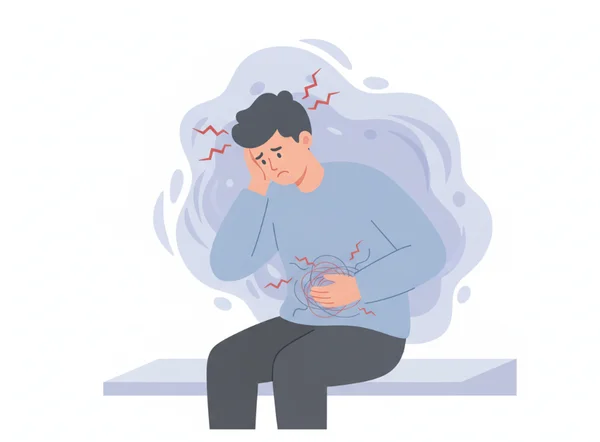
Neuroticism is often misunderstood as just "being moody." In reality, it is a biological and psychological sensitivity to stress. People with higher neuroticism scores tend to have a more active "fight or flight" response. This means your body stays in a state of high alert for longer periods. This constant state of readiness eventually leads to various physical complaints.
Common Stress-Related Symptoms: Headaches, Muscle Tension, and Fatigue
One of the most immediate ways neuroticism affects your body is through muscle tension. When you worry constantly, your muscles stay contracted. Over time, this leads to tension headaches and chronic pain in the neck and shoulders. Stressed professionals often finish the workday with a stiff back or a heavy head. They are often unaware that their internal anxiety is the primary cause of this physical strain.
Fatigue is another major factor. High levels of worry are exhausting for the brain. When your mind is constantly "scanning" for potential problems, you burn through your energy reserves. This isn't just mental tiredness. It is a deep, physical exhaustion that sleep doesn't always fix. If you feel tired even after a full night’s rest, it might be worth investigating your personality traits with an online personality test.
Digestive System Disruptions: The Gut-Brain Connection in Neuroticism
There is a powerful link between your brain and your gut. Scientists often call this the enteric nervous system. People with neuroticism often experience digestive issues first. Their gut reacts to emotional instability, causing IBS symptoms, nausea before meetings, and general stomach discomfort.
The gut reacts to the chemical signals sent by a stressed brain. For individuals high in neuroticism, the gut-brain axis is highly sensitive. This means that even a small amount of worry can trigger significant digestive distress. These symptoms can make it very hard to focus on daily tasks or professional responsibilities.
Neuroticism and Immune System Function
Your personality doesn't just affect how you feel. It affects how well your body can defend itself. Science shows a clear link between high neuroticism and a weakened immune response. If you find yourself catching every cold that goes around the office, your personality profile might be playing a hidden role.
Chronic Stress and Immune Suppression
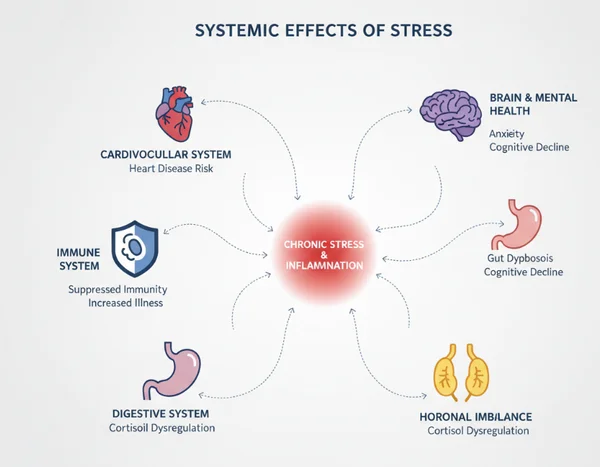
When you are high in neuroticism, your body frequently releases cortisol. This is often called the "stress hormone." In short bursts, cortisol is helpful for survival. However, chronic worry keeps cortisol levels high for too long. This "immune suppression" makes healing more difficult. Minor cuts take longer to close, and common viruses affect you more severely.
To understand if your stress levels are linked to your personality, you can take our test for a better perspective on your emotional health. Understanding these links is vital for maintaining long-term wellness.
Increased Susceptibility to Illness: Research Findings
Psychological research consistently shows that individuals who score high on neuroticism tests report more frequent illnesses. This isn't just because they are "worrying" more about being sick. Blood tests and clinical studies have shown that high-neuroticism individuals often have higher markers of inflammation.
Inflammation is your body's natural response to threat. However, it actually damages healthy tissues when it becomes chronic due to persistent anxiety. This increased susceptibility means you must be extra mindful of your physical health habits. Balancing out your psychological sensitivities requires intentional effort.
The Long-Term Health Risks of Persistent Neuroticism
While headaches and colds are frustrating, the long-term impacts of neuroticism can be more serious. If left unmanaged, the constant strain on your body can contribute to chronic health conditions. These conditions can shorten your lifespan or significantly reduce your quality of life.
Cardiovascular Implications: Blood Pressure and Heart Disease Risk
Your heart is highly sensitive to emotional states. Persistent neuroticism keeps the sympathetic nervous system active. This leads to a higher resting heart rate and increased blood pressure. Over many years, high blood pressure damages the arteries. This increases the risk of heart disease and stroke.
Stressed professionals are particularly at risk. They often combine high-neuroticism traits with high-pressure work environments. This combination creates a "perfect storm" for cardiovascular strain. Gaining awareness through a free neuroticism test can be a life-saving first step in recognizing these risks early.
The Neuroticism-Inflammation Connection: Chronic Disease Links
Recent studies have explored the connection between neuroticism and inflammation. Chronic low-grade inflammation is a known factor in many modern diseases. These include type 2 diabetes, autoimmune disorders, and even certain types of cancer.
Neuroticism maintains the body in a constant state of perceived threat. This creates chronic inflammation, which slowly damages your body's systems like a smoldering fire. Managing your personality traits isn't just about feeling better today. It is about preventing chronic disease in the future.
Evidence-Based Strategies to Protect Your Physical Health
The good news is that personality is not a life sentence. While you may have a natural tendency toward neuroticism, you can learn to manage its physical effects. By using specific strategies, you can break the link between emotional worry and physical pain.
Mind-Body Techniques: Reducing Physical Symptoms Through Psychological Practices
Mind-body techniques are highly effective for those with high neuroticism scores. These practices help "reset" the nervous system. Some effective methods include:
- Mindfulness Meditation: This teaches you to observe your worries without reacting to them physically.
- Progressive Muscle Relaxation (PMR): This involves tensing and then releasing different muscle groups to break the cycle of tension.
- Deep Breathing: Simple diaphragmatic breathing can signal the brain to switch from "fight or flight" to "rest and digest."
By practicing these regularly, you can lower your cortisol levels. This gives your immune system a chance to recover and strengthen. If you want to see which areas of your life are most affected, you can discover your traits and get personalized insights.
Lifestyle Modifications for Neuroticism-Prone Individuals
Beyond psychological practices, simple lifestyle changes can make a massive difference. If you are high in neuroticism, your body needs more support to stay balanced:
- Consistent Sleep: Lack of sleep makes emotional regulation much harder. Aim for 7-9 hours of quality rest.
- Limit Stimulants: Caffeine and nicotine can mimic the physical symptoms of anxiety. These substances can make a neurotic person feel even more "on edge."
- Regular Exercise: Physical activity helps "burn off" excess stress hormones. It also releases endorphins that improve your mood.
- Set Boundaries: Learning to say no is a vital health strategy, especially for the stressed professional.
Taking control of your environment can reduce the number of triggers you face each day. The first step to making these changes is self-awareness. You can try our tool to understand your baseline and start building a healthier lifestyle.

The Mind-Body Connection: Taking Control of Your Health
The bottom line? Your neuroticism level directly impacts your physical wellbeing—everything from shoulder tension to heart health shows how deeply connected your mind and body truly are. However, being aware of your tendencies is a superpower. It allows you to intervene before stress turns into illness.
By understanding the mind-body connection, you can implement evidence-based strategies like mindfulness and lifestyle changes. These actions mitigate the physical manifestations of neuroticism. You don't have to let worry dictate your health outcomes. The journey to a healthier you begins with self-discovery.
Take the first step toward better wellbeing today. Start your test to understand your neuroticism levels and receive the personalized insights you need to thrive both mentally and physically.
FAQ Section
Can neuroticism directly cause physical health problems?
Neuroticism is a personality trait rather than a disease, but it acts as a significant risk factor. It triggers physiological changes like high cortisol and an increased heart rate. Over time, these changes lead to health problems like tension headaches, digestive issues, and cardiovascular strain.
Are the physical effects of neuroticism reversible?
Yes! The body is remarkably resilient. You can reverse many of these physical symptoms by using stress-management techniques, improving sleep, and addressing underlying psychological patterns. Many people find their chronic pains disappear once they learn to manage their neuroticism effectively. You can use our free neuroticism test to track your progress as you implement these changes.
When should I seek professional help for neuroticism-related physical symptoms?
You should consult a healthcare professional if your physical symptoms interfere with your ability to work or enjoy life. If you experience chest pain, severe digestive distress, or chronic insomnia, seek medical advice. A doctor can rule out other medical causes. A therapist can then help you manage the psychological roots of your neuroticism.
How does my neuroticism score relate to my physical health risks?
Generally, a higher score indicates a more sensitive nervous system. This means you may be more prone to the "fight or flight" response. Frequent activation of this response carries higher risks for stress-related illnesses. However, a high score is also an opportunity to be proactive. Knowing your score through our online tool helps you identify exactly where you need to focus your self-care efforts.