Mindfulness for Neuroticism: 21-Day Emotional Stability Challenge
Have you ever felt like your mind is a "quiet storm" that never truly settles? For many, living with high neuroticism means dealing with a constant stream of "what-ifs." It involves unnecessary worries and intense emotional reactions to small setbacks.
Does a simple email replay in your mind for hours? Does a past social interaction still churn anxiety? This is high neuroticism in action. How can you find peace when your own mind feels like your toughest critic?
Mindfulness is not about stopping your thoughts. It is about changing your relationship with them. By learning to observe your emotions without judgment, you can reduce the impact of neurotic tendencies. This 21-day plan helps you build emotional stability and regain control. Before you dive into the practices, it is helpful to assess your neuroticism score. Knowing your baseline helps you track how these traits change over time.
Establishing a mindfulness practice offers a bridge from constant worry to internal quiet. By targeting the specific thought patterns that drive emotional instability, you can reshape your daily experience.
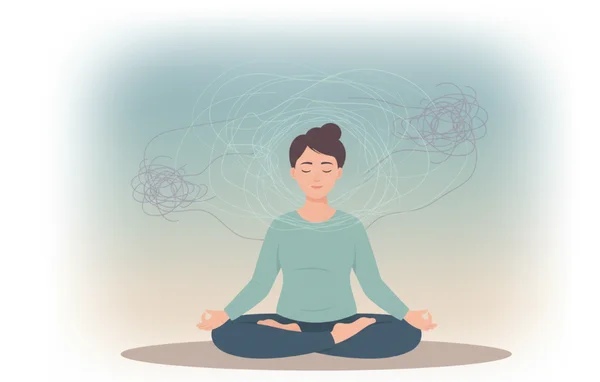
How to Reduce Neuroticism: Understanding the Role of Mindfulness
Neuroticism is one of the "Big Five" personality traits. It represents a tendency toward emotional instability and a higher sensitivity to stress. While everyone experiences worry, those with a high neuroticism test online score often find their "internal alarm system" is set to a very high volume. Mindfulness acts as a volume knob. It helps you turn down the noise of constant anxiety.
What Neuroscience Says About Mindfulness and Neuroticism
The connection between your mind and neuroticism lies in how you process information. A neurotic mind tends to focus on threats—real or imagined. This creates a loop of negative feedback. When you practice mindfulness, you train your brain to stay in the present moment. Instead of worrying about a past mistake or a future problem, you focus on the "now." This shift is vital. It allows you to use a personality test result as a map for personal growth rather than a fixed label.
How Mindfulness Interrupts Negative Thought Patterns
Negative thought patterns, often called rumination, are a hallmark of high neuroticism. You might replay a conversation in your head dozens of times. You search for what went wrong. Mindfulness interrupts this cycle by introducing a "pause."
When you notice a negative thought, acknowledge it. Say to yourself: "I am having a worried thought." This simple act creates space between you and the emotion. It prevents a small worry from spiraling into a full-blown anxiety attack.
Neuroticism vs. Mindfulness: Opposing Forces
Think of neuroticism and mindfulness as opposing forces. Neuroticism is reactive. It jumps to conclusions and feels emotions intensely. Mindfulness is receptive. It observes and accepts. By strengthening your "mindfulness muscle," you naturally balance out your reactive nature. This does not mean you will never feel sad or anxious. It means those feelings will no longer control your entire day.
Scientific Evidence: Neuroticism and Anxiety Techniques
Many people wonder if a personality trait can actually change. While your core temperament is often stable, your reactions to it are highly flexible. Research into meditation for neuroticism suggests that regular practice can physically alter the brain. Specifically, it changes the areas responsible for emotional regulation.
Clinical Studies on Meditation and Emotional Stability
Numerous clinical studies prove that Mindfulness-Based Stress Reduction (MBSR) programs significantly lower neuroticism scores. Participants often report feeling more "grounded." They become less likely to be overwhelmed by daily stressors. These studies highlight a key fact: emotional stability is a skill. You can practice and improve it over time, much like physical fitness.
Neuroscientific Findings: Brain Changes Through Regular Practice
Modern brain imaging reveals that consistent mindfulness can shrink the amygdala. This is the brain’s "fear center." At the same time, it strengthens the prefrontal cortex. This area manages logical thinking and emotional control.
For those scoring high in neuroticism, this calms the brain's fight-or-flight trigger. Minor issues no longer feel like emergencies. This physical change is a powerful reason to discover your neuroticism score today and begin tracking your mental progress.

Research on Long-Term Neuroticism Reduction
Long-term research suggests these benefits are permanent. People who maintain a meditation habit for months often see a lasting shift in their trait neuroticism. They become more resilient. They recover from emotional setbacks much faster than before. Science confirms that you are not stuck with your current level of anxiety. You have the tools to reshape your emotional landscape.
A 21-Day Mindfulness Challenge for Greater Emotional Stability
Changing a lifetime of mental habits takes time. However, 21 days is the perfect window to establish a new foundation. This challenge moves you from basic awareness to daily integration. To get the most out of this, we recommend you use this tool to see your results before and after the 21 days.
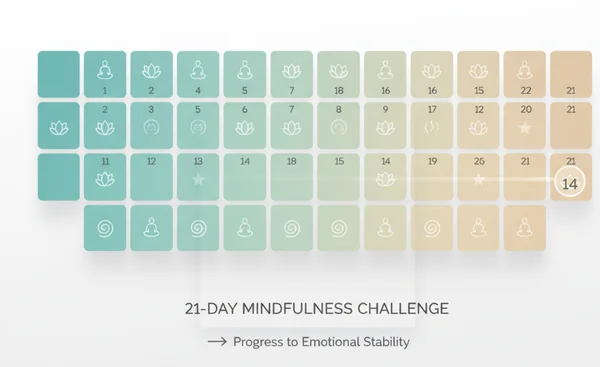
Week 1 Foundation: Building Your Mindfulness Habit
In the first week, your goal is simply to show up. Don't worry about "clearing your mind." That is impossible. Instead, focus on emotional stability techniques that emphasize breath.
- Days 1–3: Spend 5 minutes each morning sitting quietly. Focus on the sensation of air entering and leaving your nose. When your mind wanders, gently bring it back.
- Days 4–7: Increase to 10 minutes. Begin to notice physical sensations in your body. Are your shoulders tight? Is your jaw clenched? Just notice. Do not judge the sensation.
Week 2 Deepening: Advanced Techniques for Neuroticism
Now that you have a habit, we begin to look directly at neurotic thoughts.
- Days 8–11: Practice "thought labeling." When a worry pops up, label it "worrying." If you feel sad, label it "sadness." This detaches your identity from the emotion.
- Days 12–14: Introduce the "Body Scan." Lie down and slowly move your attention from your toes to your head. This practice is excellent for those who experience neuroticism symptoms as physical tension or "butterflies" in the stomach.
Week 3 Integration: Mindfulness in Daily Life
The final week is about taking your practice into the real world.
- Days 15–18: Practice mindful eating or walking. Focus entirely on the taste of your food or the feeling of your feet hitting the ground. This prevents the mind from drifting into rumination.
- Days 19–21: Use "mindful check-ins" during stressful moments. If a coworker is rude or you hit traffic, take three deep breaths before reacting. This is where you see the real-world impact of your neuroticism test online insights.
Beyond Meditation: Additional Techniques for Neuroticism Relief
While seated meditation is the gold standard, it is not the only way to find relief. A comprehensive toolkit includes various emotional stability techniques that cater to different needs.
Types of Meditation for Anxiety Reduction
If traditional meditation feels too difficult, try Guided Imagery or Loving-Kindness meditation (Metta). Guided imagery uses your imagination to create a safe, peaceful space. This is very soothing for a sensitive mind. Loving-kindness meditation involves sending well-wishes to yourself and others. This helps combat the self-criticism often found in high neuroticism. You can check your results to see if self-criticism is a major factor for you.
How Gratitude Journaling Disrupts Negative Thought Patterns
Neuroticism often acts like a filter. It only lets in negative information. Gratitude journaling forces you to look for the positive. Write down three small things you are grateful for each day. This "re-wires" your brain to notice the good. Over time, this makes it harder for negative patterns to take root.
Breathwork Techniques to Calm Emotional Sensitivity
Breathwork is a fast-acting tool for acute stress. Techniques like "Box Breathing" can physically calm your nervous system in less than sixty seconds. To do this, inhale for 4 seconds, hold for 4, exhale for 4, and hold for 4. For someone dealing with high neuroticism, this "panic button" technique provides a sense of safety during emotional storms.
Your Journey Toward Emotional Freedom
Your journey toward emotional freedom starts with awareness. By dedicating 21 days to mindfulness, you’re not silencing your emotions—you’re learning to dance with them. How might your life change if small daily practices could soften your inner critic?
The 21-day challenge is more than just a set of exercises. It is a path toward a higher quality of life. Remember, progress is not about being perfect. It is about being present. Every time you catch yourself overthinking and bring your attention back to the breath, you are winning.
Are you ready to see where you stand? The first step to management is measurement. We invite you to take the test right now. Our free tool provides instant results and a clear look at your emotional patterns. Use your score as a starting point. Let this 21-day guide be your roadmap to a more stable, peaceful version of yourself.
Frequently Asked Questions About Mindfulness for Neuroticism
How long does it take to see results from mindfulness practice for neuroticism?
Most people feel a shift in their reactivity within 2 to 4 weeks of daily practice. While deep-seated traits take longer to shift, the immediate sense of being less "swept away" by emotions happens quickly. Consistency is more important than the length of each session.
Can mindfulness work for severe anxiety or completely cure neuroticism?
Neuroticism is a personality trait, not a disease to be "cured." Mindfulness helps you manage the trait so it doesn't cause suffering. For severe anxiety, mindfulness is a powerful complementary tool. It allows you to use your sensitivity as a strength, such as increased empathy, rather than a source of constant distress.
What if I find it difficult to maintain a regular practice?
This is a common concern for restless minds. If 10 minutes feels like too much, start with just 2 minutes. The key is to make the barrier to entry as low as possible. You can also take a neuroticism test online to get insights that help you choose the best techniques for your specific personality.
Are there specific types of meditation that work better for neuroticism?
"Grounding" practices are often most effective for high neuroticism. This includes body scans and mindful walking. These techniques move your energy away from racing thoughts and into your physical body. Observational meditation, where you label your thoughts as they pass, is also highly effective for stopping rumination loops.