Definition of Neurosis: Meaning, Examples, and How It Differs From Neuroticism
The definition of neurosis can feel confusing because the word has lived several lives. In older psychology and psychiatry, neurosis described patterns of distress such as anxiety, obsessive thoughts, phobias, or depressed mood while the person generally stayed connected to reality. Today, the word is mostly historical or informal, not a current clinical category. That matters: when someone asks "am I neurotic?" they may be asking about stress sensitivity, emotional reactivity, or a Big Five personality trait rather than an illness. If your goal is self-understanding, a calm neuroticism self-assessment can be a gentle starting point, as long as you treat it as educational reflection rather than a medical answer.

Simple Definition of Neurosis
In simple terms, neurosis means emotional distress that affects thoughts, feelings, or behavior while a person usually remains in touch with reality. Older writers used it for problems that involved anxiety, fear, compulsive habits, bodily worries, sadness, or inner conflict, but not the loss of reality testing associated with psychosis.
A plain-language definition might be: neurosis is an older term for patterns of anxious or distressing thoughts and behaviors that can interfere with life, even though the person generally knows what is real and can reflect on their experience.
That definition is useful, but it needs a warning label. Neurosis is broad. It does not tell you which specific concern is present, how severe it is, what caused it, or what support would help. Modern mental health language usually uses more precise terms such as anxiety disorders, obsessive-compulsive disorder, depressive disorders, trauma-related concerns, phobias, or somatic symptom-related concerns.
Definition of Neurosis in Psychology and Mental Health
The definition of neurosis in psychology depends on the period and school of thought. In psychoanalytic writing, including Freud's tradition, neurosis was often explained as distress that grew from inner conflict, anxiety, and defense mechanisms. In behavioral approaches, older writers sometimes described it as a learned response to stress. In cognitive approaches, the focus shifted toward patterns of interpretation, threat perception, and self-judgment.
In mental health history, neurosis often sat between "ordinary stress" and more severe forms of disturbance. It suggested that a person was suffering and might struggle at work, in relationships, or in daily routines, but still had insight and contact with reality. That is why neurosis was commonly contrasted with psychosis.
Today, many professionals avoid using neurosis as a main label because it is too imprecise. Two people could both be called "neurotic" in older language while having very different experiences: one might have panic attacks, another might ruminate after conflict, another might feel stuck in repetitive checking, and another might carry long-running guilt or fear. More specific language helps people understand what is happening and what kind of support may fit.

Neurosis vs Neuroticism vs Psychosis
The most important distinction is that neurosis, neuroticism, and psychosis are not interchangeable.
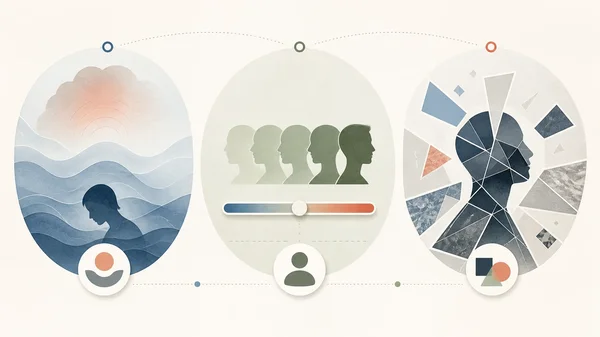
Neurosis is the older umbrella term. It points to distress, anxiety, or maladaptive coping while reality testing is usually preserved. Neuroticism is a personality trait, especially in the Big Five model, that describes a tendency toward negative emotions such as worry, self-doubt, irritability, and stress sensitivity. Psychosis is different again: it involves a disruption in reality testing, which may include hallucinations, delusional beliefs, or severely disorganized thinking.
Here is a practical comparison:
| Term | Best understood as | Reality testing | Current use |
|---|---|---|---|
| Neurosis | Historical umbrella for distress patterns | Usually preserved | Mostly historical or informal |
| Neuroticism | Personality trait related to emotional reactivity | Preserved | Common in personality research and tests |
| Psychosis | Serious mental state involving impaired reality testing | May be impaired | Current clinical term |
This is why a person can score high in neuroticism without having "a neurosis." A high trait score may simply mean the person tends to feel stress more intensely, notice threats quickly, or spend more time worrying. A Big Five emotional stability test can help organize that reflection, but it should not be treated as a clinical evaluation.
What Is an Example of a Neurosis?
An example of a neurosis in older language might be someone who knows the door is probably locked but feels driven to check it again and again because the anxiety will not settle. Another example might be a person who avoids public speaking because fear rises so strongly that it limits school, work, or social opportunities. Older texts might also have used phrases such as "anxiety neurosis" for persistent worry, bodily tension, panic-like feelings, or fear that seems out of proportion to the situation.
The key point is not the exact old label. The useful question is: what pattern is causing distress or limiting life? Is it worry, avoidance, rumination, checking, panic, low mood, guilt, or fear of bodily symptoms? That more specific question is kinder and more useful than asking whether someone "is neurotic."
Why Is Neurosis No Longer Used Much?
Neurosis is no longer used much because it tries to cover too many different experiences at once. Modern mental health classification moved toward more specific categories and descriptions. That shift was partly about clarity. If a word can mean chronic worry, phobia, obsessive thoughts, depressive reactions, bodily concern, or general emotional conflict, it may create more confusion than help.
There is also a tone problem. In everyday speech, "neurotic" can sound like an insult. It can imply that a person is irrational, overdramatic, or broken. That is not a helpful way to talk about emotional sensitivity. A person who worries a lot may also be conscientious, empathic, careful, observant, and deeply motivated to improve. Good mental health language should reduce shame, not add to it.
Still, the word remains useful when you are reading older psychology, psychoanalysis, literature, or popular articles that compare neurosis and psychosis. It gives you a map of how people once organized distress before more precise terms became common.
What Is a Neurotic Person Like in Everyday Language?
In everyday language, a "neurotic person" usually means someone who is prone to worry, self-doubt, emotional overthinking, or stress reactivity. They may replay conversations, anticipate problems, feel guilty quickly, or become tense when plans change. They might seek reassurance, over-prepare, or interpret small setbacks as signs that something bigger is wrong.
That description should be handled gently. These traits exist on a spectrum. Many people have some neurotic tendencies under stress, during major life transitions, or after difficult experiences. The question is not whether the trait is "bad." The question is whether the pattern helps the person prepare and care, or whether it traps them in fear, avoidance, and exhaustion.
For self-reflection, try asking:
- What situations make my worry rise fastest?
- Do I recover after stress, or do I replay it for hours?
- What do I do to calm myself, and does it actually help?
- Which reactions protect me, and which ones shrink my life?
These questions turn an old label into practical self-awareness.

What About Neurosis Symptoms and Treatment?
Because neurosis is not a precise current category, "neurosis symptoms" and "neurosis treatment" are better translated into more specific questions. Symptoms might include ongoing anxiety, avoidance, intrusive thoughts, compulsive behaviors, depressed mood, irritability, physical tension, sleep disruption, or fear that feels hard to manage. But those signs can come from many different causes.
Support also depends on the specific concern. Some people benefit from psychotherapy, skills for stress regulation, lifestyle changes, medication prescribed by a qualified clinician, or a combination of supports. Others may need urgent help if they feel unsafe, disconnected from reality, or unable to function. If distress is intense, persistent, escalating, or interfering with everyday life, it is wise to speak with a qualified mental health professional.
For everyday self-management, educational reflection can still help. You might track triggers, name the emotion, notice the thought behind it, and choose one small response that does not feed the fear. This does not replace professional care, but it can make your patterns easier to discuss and understand.
A Balanced Way to Use the Definition of Neurosis
The definition of neurosis is most useful when you treat it as a historical bridge, not a personal verdict. It explains why older sources grouped anxiety, phobias, compulsions, and inner conflict together. It also helps clarify why neuroticism now usually means a personality trait rather than an illness.
If you are exploring your own emotional patterns, keep the focus practical: what triggers distress, how strongly you react, how quickly you recover, and what support helps you respond with more flexibility. A free personality reflection tool can support that kind of self-awareness when used with realistic expectations, privacy awareness, and a willingness to seek professional help when distress feels bigger than self-reflection can handle.
FAQ
What is the simple definition of neurosis?
Neurosis is an older term for distressing patterns of thought, emotion, or behavior, often involving anxiety or fear, while the person usually remains connected to reality. It is not a precise modern clinical category.
What is an example of a neurosis?
In older language, repeated checking driven by anxiety, strong phobic avoidance, or long-running worry might have been described as neurosis. Today, it is better to describe the specific pattern, such as anxiety, compulsive behavior, or avoidance.
Why is neurosis no longer used?
Neurosis is broad and imprecise. Modern mental health language usually uses more specific descriptions for anxiety disorders, obsessive-compulsive patterns, depressive disorders, phobias, trauma-related distress, or somatic concerns.
What is a neurotic person like?
In everyday speech, a neurotic person is often someone who worries easily, overthinks, reacts strongly to stress, or feels frequent self-doubt. A kinder way to say this is that the person may be high in emotional sensitivity or neuroticism.
What is the difference between neurosis and psychosis?
Older descriptions of neurosis usually involved distress while reality testing stayed mostly intact. Psychosis involves impaired reality testing, which may include hallucinations, delusional beliefs, or severely disorganized thinking.