Can Neuroticism Change? A Realistic Score Guide
A high neuroticism score can feel personal in the worst way. It is easy to read a result and think, "This is just who I am." That thought lands especially hard when worry, self-doubt, or emotional reactivity have been part of daily life for years.
That conclusion is usually too simple. Neuroticism is a meaningful personality trait, but it is not a verdict on your future. A score can help you notice patterns, track context, and plan next steps. It cannot tell the whole story of your mental health, your relationships, or your capacity to grow.
If you want a starting point, the free neuroticism baseline test gives a quick snapshot of how you usually respond to stress and emotion. The result makes more sense when you pair it with recent context, habits, and longer-term patterns.
Disclaimer: The information and assessments provided are for educational purposes only and should not replace professional medical advice, diagnosis, or treatment.
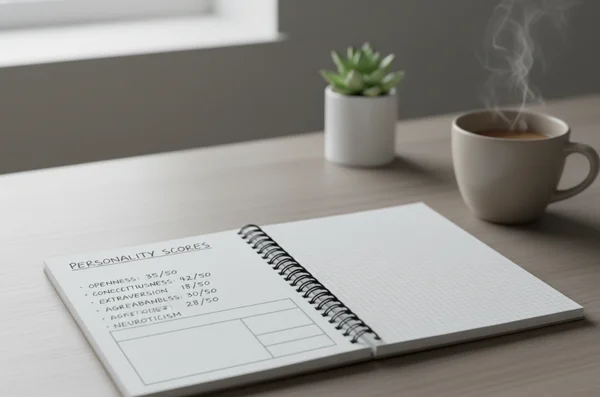
Why a high neuroticism score can feel permanent
People often remember the most difficult version of themselves. After a rough month, a painful breakup, or a stressful project, it can seem like the score confirms something fixed and negative about your personality.
The problem is that a test result lands on top of emotion. If you already feel overwhelmed, the mind tends to turn a pattern into an identity. That is one reason the site frames the score as self-awareness, not judgment.
What neuroticism measures and what it does not
Trait patterns are not the same as a bad week
Neuroticism is usually used to describe a stable tendency toward negative emotional reactions, not a single stressful stretch. A PMC review on neuroticism defines the trait as a relatively stable tendency to respond with negative emotions to threat, frustration, or loss.
That matters because trait language can easily sound more rigid than it is. A person can have a high score and still function well, build strong relationships, and improve emotional skills. A person can also have a rough week without having a high trait pattern at all.
Why context still matters when you read a score
Context does not erase the trait, but it changes how you interpret the result. Sleep loss, conflict, burnout, grief, and uncertainty can all raise the intensity of your reactions in the short term. That does not mean the score is fake. It means the score should be read alongside the season you are in.
This is where the homepage score summary becomes useful. It gives you a common language for your baseline, then lets you compare that baseline with what was happening around you when you answered the 20 questions.
What research says about personality change over time
Small trait shifts can happen, but usually slowly
The strongest research does not support two extreme ideas. Neuroticism is neither completely fixed nor instantly rewritten by motivation alone. The same PMC review notes that mean neuroticism scores tend to peak in late adolescence and decline moderately through adulthood. That trend suggests change is possible even without a dramatic personality overhaul.
That pattern fits ordinary experience. Many people do not become a different person. Instead, they become less reactive, faster at recovering, and clearer about what triggers them. Those changes may feel modest day to day, but they can look meaningful across a few years.
Skills and treatment can change your response pattern first
Intervention research points in the same direction. A 2024 PMC review of intervention evidence summarizes a meta-analysis across nearly 200 clinical studies showing approximate improvements of 0.2 to 0.6 standard deviations in neuroticism and conscientiousness. The same summary notes average interventions lasted about 6 months and many gains were maintained for 1 year or more.
That does not mean every person will see the same shift. It does mean that therapy, coping skills, better routines, and life changes can move the pattern. Often the first sign of change is not a lower score. It is a different response in the same old situation.

How to read score changes without overreacting
When a new baseline is meaningful
A new baseline is more meaningful when the context has changed in a lasting way. Maybe sleep is more stable, work stress is lower, therapy has been consistent, or you have practiced new emotional regulation habits for several months. In that case, a new score may tell you something useful.
A small change after a brutal week is less informative. The goal is not to chase proof that you are improving every few days. The goal is to notice whether your usual response pattern is getting more flexible.
When to retake a neuroticism test and when to wait
Retesting works best after a meaningful stretch of time, not right after one conflict or one sleepless night. Many people benefit from waiting until a clear life phase, habit set, or treatment period has had time to settle.
If you are using the site more than once, the optional deeper report path can help. It lets you compare situations, triggers, and strengths instead of staring only at the number. That approach matches the site's purpose better than trying to force daily emotional noise into a trait score.
Using a neuroticism test for personal growth
Use a score as a starting point, not a verdict
A useful result helps you ask better questions. Which situations raise your reactivity fastest? Which habits help you recover? When do worry and self-criticism start to run the day?
Those questions turn the test into a map. They also keep you from using the score as a label that follows you everywhere. Personal growth usually comes from pattern tracking, skill practice, and honest reflection, not from repeating a number back to yourself.
When professional support matters more than another retest
Another retest is not the best next step if distress is starting to run your life. SAMHSA explains that anxiety disorders involve more than temporary worry or fear and can interfere with job performance, schoolwork, and relationships. That is a better signal for support than whether your score moved a little this month.
If worry, panic, or emotional distress are persistent, talk to a mental health professional. If you are in the United States and need immediate support, SAMHSA guidance on anxiety disorders points people to 988, FindTreatment.gov, and SAMHSA's National Helpline.
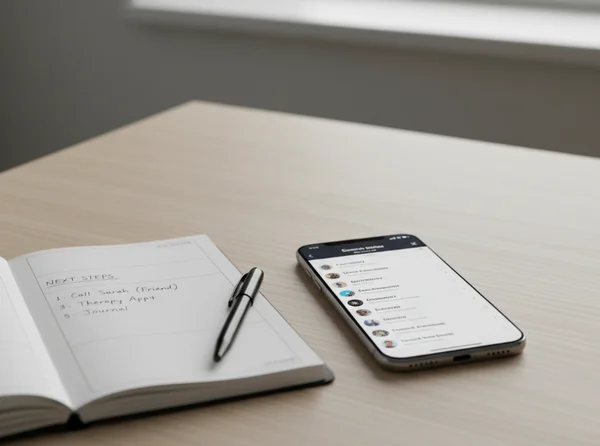
What to do next with a high score
Start by treating the result as a baseline, not a sentence. Write down the situations that trigger the strongest reactions, the habits that calm you fastest, and the patterns that keep repeating.
Then choose one next step that is small enough to repeat. That might mean better sleep timing, a therapy appointment, fewer late-night stress spirals, or a more structured reflection routine. Change in neuroticism usually looks gradual from the inside.
A helpful score gives you language. It does not remove the work, but it can make the work clearer. When you use the result with context, patience, and support, it becomes much easier to see growth without demanding perfection.